
The Ubiquitous Reach of the Internet of Things (IoT)
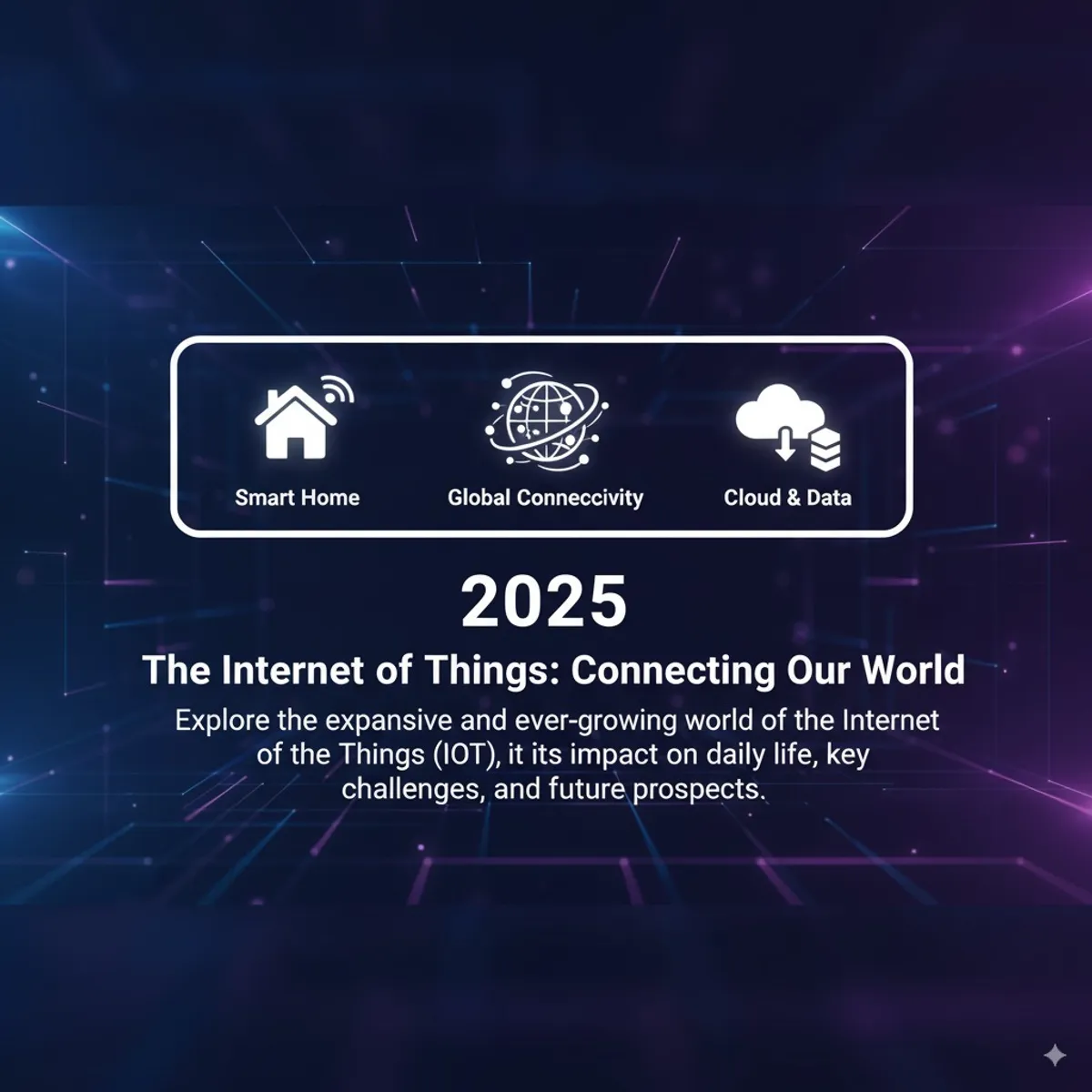
The Internet of Things (IoT) has seamlessly woven itself into the fabric of modern life, transforming how we interact with our surroundings and fundamentally changing industries. From smart homes to intelligent cities, connected devices are generating a massive wave of data, creating unprecedented opportunities and challenges.
What is IoT? A Brief Definition
At its core, IoT refers to the vast network of physical objects embedded with sensors, software, and other technologies for the purpose of connecting and exchanging data with other devices and systems over the internet.
Definition (More than just devices)
IoT isn’t just about individual smart devices; it’s about the ecosystem of these devices working together, sharing data, and enabling intelligent automation and decision-making.
Key Pillars Driving IoT Growth
Several technological advancements are fueling the rapid expansion of IoT:
- Miniaturization and Cost Reduction: Sensors and microcontrollers are becoming smaller, more powerful, and cheaper, making it feasible to embed them in almost anything.
- Ubiquitous Connectivity: The rollout of 5G and advancements in other wireless technologies (LoRaWAN, NB-IoT) provide the necessary bandwidth and low-power communication for billions of devices.
- Cloud and Edge Computing: Robust cloud infrastructure handles the massive data streams from IoT devices, while edge computing brings processing closer to the data source for real-time applications and reduced latency.
IoT Applications: Transforming Industries and Daily Life
The applications of IoT are incredibly diverse, impacting virtually every sector:
Tip (Smart Homes and Cities)
Imagine your home adjusting lighting and temperature based on your presence, or city infrastructure dynamically managing traffic flow and waste collection – all powered by IoT.
- Smart Homes: Devices like smart thermostats, security cameras, and voice assistants create connected living spaces.
- Healthcare (IoMT): Wearable sensors monitor vital signs, smart hospitals track assets, and remote patient monitoring improves care.
- Industrial IoT (IIoT): Sensors on factory floors predict equipment failures, optimize production, and enhance worker safety.
- Agriculture (Smart Farming): Soil moisture sensors, automated irrigation, and drone-based crop monitoring lead to more efficient farming.
- Smart Cities: Connected streetlights, waste management systems, and public transport optimize urban living.
Challenges and Considerations in IoT
Despite its immense potential, IoT faces significant hurdles that need careful navigation:
Danger (The Critical Importance of Security)
Many IoT devices are developed with inadequate security, making them vulnerable to cyberattacks. A compromised device can serve as an entry point into larger networks or expose sensitive personal data. Secure-by-design principles are paramount.
- Security and Privacy: The sheer volume of data collected by IoT devices raises major concerns about data breaches, unauthorized access, and privacy violations.
- Interoperability: Different manufacturers and platforms often use proprietary standards, leading to fragmentation and difficulties in seamless integration.
- Data Management and Analytics: Handling, storing, and extracting meaningful insights from the enormous datasets generated by IoT devices requires sophisticated analytics and AI.
- Power Consumption: Many battery-powered IoT devices require extremely low power consumption to ensure long operational lifespans.
The Future of IoT
Looking ahead, the IoT landscape promises even more profound integration into our lives:
Explanation (Towards Hyper-Connected Ecosystems)
The future will see increasingly complex and interconnected ecosystems where IoT, AI, 5G, and even nascent quantum technologies converge to create truly intelligent environments.
- AI Integration: Deeper integration of Artificial Intelligence at the edge will enable devices to make more autonomous and intelligent decisions without constant cloud communication.
- Digital Twins: Virtual replicas of physical objects, systems, or processes will become more prevalent, allowing for real-time monitoring, simulation, and predictive maintenance.
- Sustainability Focus: IoT will play a critical role in optimizing resource usage, monitoring environmental conditions, and enabling greener smart infrastructure.
Conclusion
The Internet of Things is not just a collection of smart devices; it’s a transformative force reshaping industries, improving efficiency, and enhancing our daily experiences. While challenges in security, privacy, and interoperability remain, ongoing innovation and standardization efforts are paving the way for a more connected, intelligent, and sustainable future. The journey of IoT is just beginning, and its impact will only continue to grow.
Recommended for You
Explore more articles on similar topics and continue reading.