
The Transformative Power of Artificial Intelligence (AI)
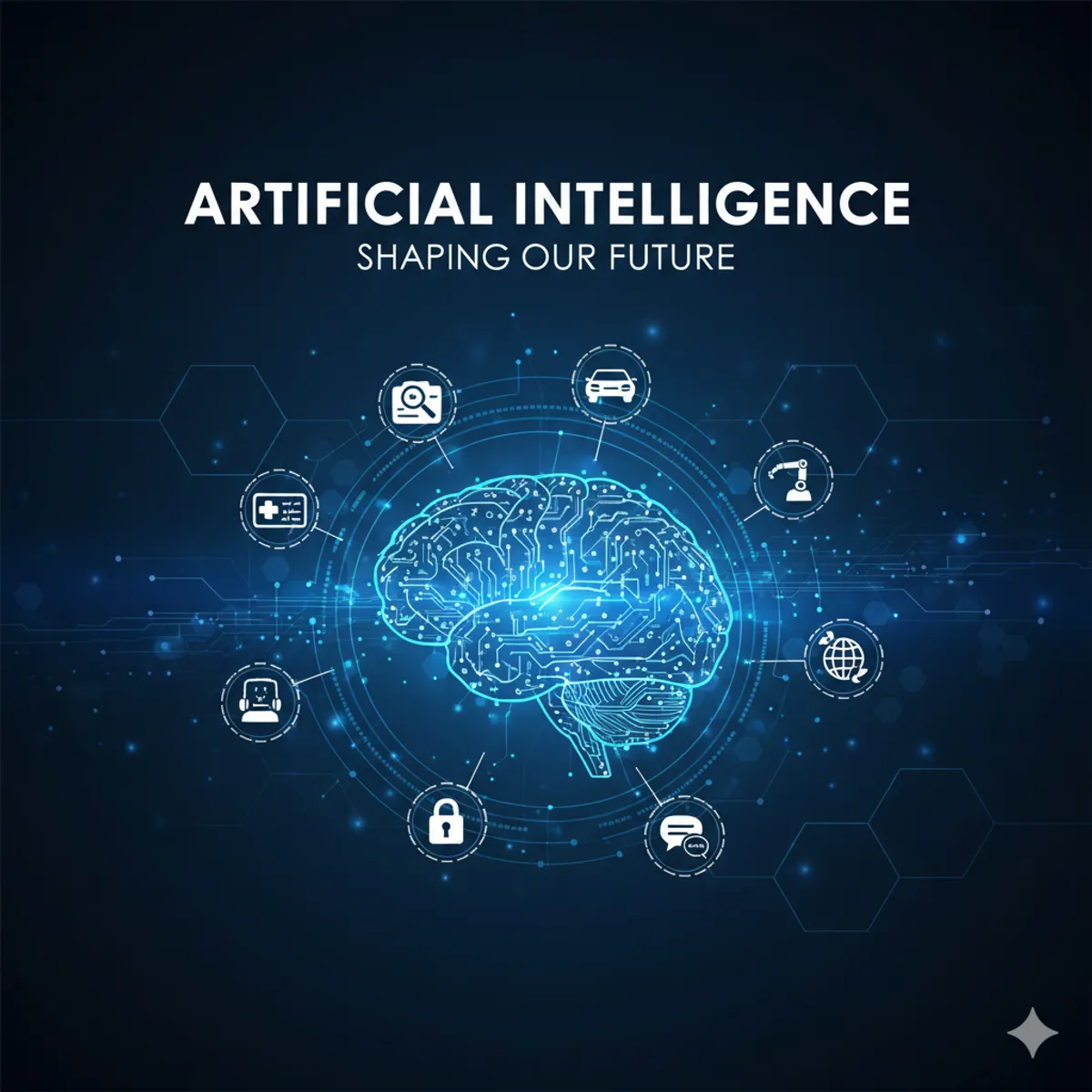
Artificial Intelligence (AI) has rapidly moved from the realm of science fiction to a central force in modern technology, profoundly impacting industries, economies, and daily life. As AI systems become more sophisticated, they are enhancing human capabilities, automating complex tasks, and generating unprecedented insights from vast datasets.
What is AI? A Concise Overview
At its core, Artificial Intelligence refers to the simulation of human intelligence processes by machines, especially computer systems. These processes include learning (the acquisition of information and rules for using the information), reasoning (using rules to reach approximate or definite conclusions), and self-correction.
Definition (Beyond simple automation)
AI is not just about automating repetitive tasks; it’s about systems that can learn, adapt, and make decisions in complex and dynamic environments, often mimicking human cognitive functions.
Key Disciplines Driving AI Advancements
The rapid evolution of AI is fueled by several interconnected fields:
- Machine Learning (ML): A subset of AI that enables systems to learn from data without explicit programming. Algorithms are trained on data to identify patterns and make predictions.
- Deep Learning (DL): A specialized form of ML that uses artificial neural networks with multiple layers (hence “deep”) to learn from vast amounts of data, excelling in tasks like image and speech recognition.
- Natural Language Processing (NLP): Allows computers to understand, interpret, and generate human language, enabling applications like chatbots, language translation, and sentiment analysis.
- Computer Vision: Empowers machines to “see” and interpret visual information from the world, crucial for self-driving cars, facial recognition, and medical imaging.
AI Applications: Revolutionizing Industries and Daily Life
AI’s reach is incredibly broad, touching almost every sector imaginable:
Tip (Everyday AI)
From personalized recommendations on streaming services to spam filters in your email and voice assistants on your phone, AI is already an integral part of your daily routine.
- Healthcare: AI assists in disease diagnosis (e.g., analyzing medical images), drug discovery, personalized treatment plans, and predictive analytics for patient care.
- Finance: Fraud detection, algorithmic trading, credit scoring, and personalized financial advice are all enhanced by AI.
- Automotive: Self-driving cars rely heavily on AI for perception, decision-making, and navigation.
- Retail and E-commerce: AI powers recommendation engines, optimized supply chains, customer service chatbots, and demand forecasting.
- Education: Personalized learning platforms, intelligent tutoring systems, and automated grading are transforming educational approaches.
- Manufacturing (Smart Factories): Predictive maintenance, quality control, and robotic automation improve efficiency and safety.
Ethical Considerations and Challenges in AI
While AI offers immense promise, it also presents significant ethical and societal challenges that require careful consideration:
Danger (Bias and Fairness in AI)
AI systems learn from the data they are trained on. If this data contains biases (e.g., reflecting historical societal inequalities), the AI can perpetuate or even amplify those biases, leading to unfair or discriminatory outcomes. Ensuring fairness and transparency is paramount.
- Bias and Discrimination: AI models can inherit and amplify biases present in their training data, leading to unfair decisions in areas like hiring, lending, or criminal justice.
- Privacy and Data Security: AI systems often require vast amounts of personal data, raising concerns about how this data is collected, stored, and used.
- Job Displacement: Automation driven by AI could lead to significant job displacement in certain sectors, necessitating retraining and new economic models.
- Accountability and Transparency: It can be challenging to understand how complex AI models arrive at their decisions (“the black box problem”), making it difficult to assign accountability when errors occur.
- Autonomous Weapons: The development of AI-powered autonomous weapons systems raises profound ethical questions about control and responsibility.
The Future of AI
The trajectory of AI points towards even more profound integration into our lives, with continuous innovation on the horizon:
Explanation (Towards General AI?)
While current AI excels at specific tasks (Narrow AI), the long-term goal is Artificial General Intelligence (AGI) – AI that can understand, learn, and apply intelligence across a wide range of tasks, similar to human cognitive abilities.
- Explainable AI (XAI): Efforts to make AI decisions more transparent and understandable to humans will be crucial for trust and adoption.
- AI for Good: Increasing focus on using AI to address global challenges such as climate change, poverty, and disease.
- Quantum AI: The potential convergence of quantum computing with AI could unlock unprecedented processing power, leading to breakthroughs in complex problem-solving.
- Human-AI Collaboration: The future will likely see more synergistic relationships where AI augments human intelligence and capabilities, rather than fully replacing them.
Conclusion
Artificial Intelligence is a revolutionary technology that is redefining what’s possible, driving innovation across every domain. While its transformative potential is immense, it comes with a responsibility to address ethical considerations, ensure fairness, and manage its societal impact thoughtfully. As AI continues to evolve, understanding its capabilities and challenges will be key to harnessing its power for a more intelligent, efficient, and equitable future.
Recommended for You
Explore more articles on similar topics and continue reading.